Today is Mother’s Day, May 12, 2013. I find myself reflecting once again on who I
am, where I come from, what I’m made of.
I can hardly go there without thinking on my mother Norma Jean and
Grannie. Both have many years past now and
pulled that earthy blanket up to their chins to wish us all a good night. I miss them, the buggars!
Anyway, first off, I have to say this about memories. Doc M, Sister, and I have three very different
sets of memories. It would seem we weren’t
sisters at all with how different
they are. But with Doc M a bit older, I
understand her perspective should be
different. But Sister and I? We’re Irish Twins, for cryin’ out loud! You’d think we could agree on one memory,
right? Probably not. I finally came to grips with this when
someone explained to me that memories are filtered through our emotions. Ahha!
That explains it. We are polar opposites when it comes to our emotions,
she and I. But still, it doesn’t keep us
from asking each other from time to time, “Where did you come from?” Hahaha!
I think there are two memories we can all agree on. One, Norma Jean was a serious
romance-book-aholic! I can’t remember a
night of my life in her house that she didn’t go to bed with one. And many a night was there that we found her
with a paperback tented over her breasts, glasses askew and her snores reaching
to high heavens. Little did I know back
then that it would be one of my favored memories of her.
Why, you ask? Because
I was the bane of her existence when it came to reading. I hated it!
Jack London’s Call of the Wild,
Beverly Cleary’s Ramona the Pest, Wilson
Rawls’ Where the Red Fern Grows? Hated all of them. Oh the books Norma Jean presented to me,
every single one of which I slung right back at her. Ack! I
couldn’t even get past chapters one. In
fact, the only author I would have anything to do with until I was twelve years
old was Don Freeman. Oh how I loved
(still do) his stories, especially Dandelion.
But that’s it. No other
books. None. Zero. That
is, until… (You know it!) that lovely little red and white covered Harlequin
showed up on my lap. Frankly, I think
she dropped it there in disgust at me and said something like, “This is the
last straw. I don’t know what else to
give you to read, child.”
Amazingly, I read chapter one. Then two.
And three and four and …all the way to the end. And then I asked for another. And another.
And another. And then she gave me
my very own subscription to Harlequin Romance. It was a brand new world for me and I knew
who I was then. I was a romance junkie. My engine had been jumpstarted and there was
an endless supply of stories in my soul.
From there on out when we would travel to my grandparents I
would imagine stories to write. Sadly I couldn’t read in the car or else I’d
throw up everywhere. So I would think
about the stories I’d read and make up my own.
They were simple stories, boy meets girl, they fall in love, you know
the drill. But they were stories that entertained
me just the same. And that was the
beginning of my lifelong passion for love and romance and telling stories. With that, I learned to love to read because
reading was the vehicle for receiving the love.
This was the greatest love my momma loved me with, she taught me to
enjoy reading by helping me find what I loved to read. Bless her heart. She should get special Mamma Rewards in
heaven for that, don’t you think? Lord
knows I tried her patience!
My second memory I think the three of us can agree on is one
of Grannie. Grannie was a gardener and a
fisherwoman. She could grow something in
concrete and catch a fish out of the toilet, yes she could! Granted, she was a lot of other things too,
but those two were constants. Anyway, it
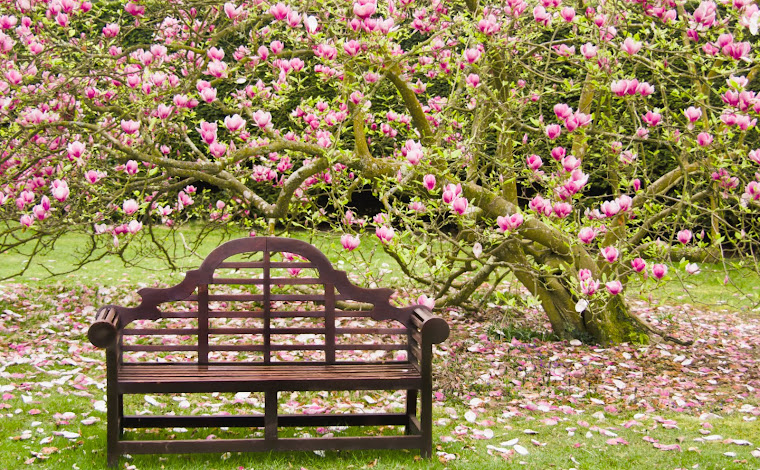
seemed that flowers were the preferred expression of love between the women in
our family, and in my perspective it was by Grannie’s leadership that it became
that way. When a holiday arrived,
flowers were given. And Mother’s Day was
a full bouquet of love. I remember the
joy Norma Jean would have over surprising Grannie with an heirloom rose bush or
some other coveted bloom. It seemed
there was a rhythm to their exchanges, a time proven love for each other
through these flowers. Sadly, I left
home and didn’t grow into that role with them, but I remember it. And I’ve tried to resurrect it in my own
family. I have hydrangeas my girls gave
me for Mother’s Day a few years back adorning the back side of my house like
they did Grannie’s. And maybe this year
I’ll get those Knock Out Rose bushes I asked for for under the dining room
windowsill. But one thing’s for
sure. Every time I look at the flowers
in my yard, I remember the love between the women I came from. And I will give thanks for the love they gave
to me.
Happy Mother’s day y’all.
I hope the day blooms lots of love for you, too!